
Low Beta hCG: what happens when the result isn’t around 100 mIU/ml
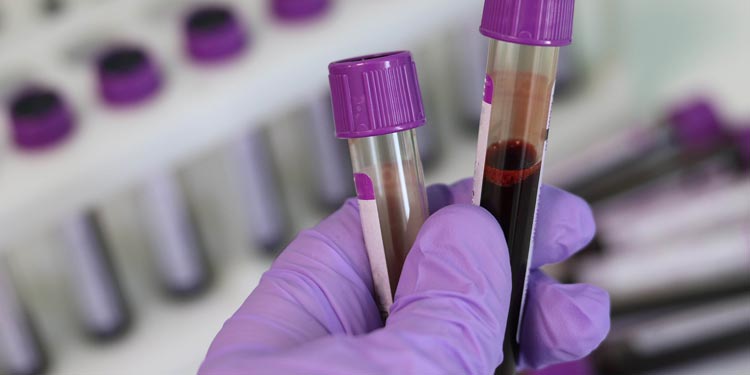
You’ve gone through fertility treatment with one dream in mind — becoming a mum. The big day finally arrives. You take a home pregnancy test and see a positive result. Your heart skips a beat. Then, you visit the clinic for the Beta hCG blood test, but the result shows a low beta value. Your doctor congratulates you, though cautiously.
So, what does it mean when the Beta hCG level doesn’t reach 100 mIU/ml?
What is Beta hCG?
Before we discuss what happens when your beta result is low, let’s briefly review what this hormone is and why it’s so important during early pregnancy.
Beta hCG (Human Chorionic Gonadotropin) is a hormone secreted by the embryo’s cells once it implants in the uterine lining. It passes into the mother’s bloodstream, allowing pregnancy to be detected very early — even before a missed period.
In a healthy pregnancy, Beta hCG levels usually double every 48–72 hours, making it a key marker for assessing whether the pregnancy is progressing normally.
At URE Centro Gutenberg, we recommend checking your blood Beta hCG level on the same day you take your home pregnancy test.
A typical, healthy result is usually around 100 mIU/ml on that first test.
What if the Beta hCG is above 100 mIU/ml?
When the Beta hCG level is equal to or above 100 mIU/ml, we consider it a normal and reassuring result.
This value suggests a good prognosis and indicates that the pregnancy is developing as expected.
In such cases, you should continue with the medication prescribed by your specialist, and your first ultrasound scan will usually be scheduled about two weeks after the beta test, around the sixth week of pregnancy.
By that time, Beta hCG levels are typically above 1,000 mIU/ml.
During this first ultrasound, the doctor will confirm the pregnancy’s progress by visualising the gestational sac, the embryo, and — the most emotional moment — the heartbeat.
What if the Beta hCG is below 100 mIU/ml?
When the Beta hCG value is below 100 mIU/ml, we call it a low beta, and it’s essential to monitor how it evolves over the following days.
As mentioned earlier, the key is whether it doubles every 48–72 hours.
At URE Centro Gutenberg, whenever a patient’s first Beta hCG result is under 100 mIU/ml, we always repeat the test after 48 hours.
- If the hormone doubles during that time, it’s a very good sign, showing that the pregnancy is developing normally — and we can then schedule the first ultrasound.
- However, if the level doesn’t rise properly, we must consider other possibilities such as a chemical pregnancy, an early miscarriage, or, in some cases, an ectopic pregnancy.
That said, try not to worry too much if your first result is slightly lower than expected.
Sometimes, a slower implantation can cause a modest beta level at the beginning — and we’ve seen many healthy pregnancies and babies born after initial beta results below 50 mIU/ml.
The most important thing is how the level changes, not the number itself.
Still have questions?
If you’d like to understand more about how to interpret your Beta hCG result, watch this video featuring Dr Claudio Álvarez, fertility specialist at URE Centro Gutenberg, where he clearly explains the meaning of different beta values, when to repeat the test, and how to interpret your results.
Would you like to talk to us about your case?
If you’re thinking about starting treatment with us, or simply want to know more about your options — you can book a free initial consultation with our team.
We offer both in-person visits and online consultations, so you can speak to one of our fertility specialists from the comfort of your home.