
Dr. Martínez Moya: “At URE, we meet the innovation challenges of our specialty”
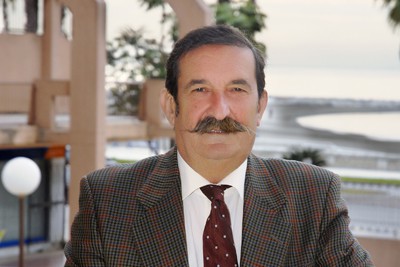
Twenty-five years ago, Dr. Manuel Martínez Moya, along with Guillermina Muriel Sauco, embarked on an adventure motivated more by hope and dedication than by the possibilities of the moment: helping couples with fertility problems achieve pregnancy.
Today, the Centro Gutenberg Reproduction Unit is, without a doubt, the leading center in Málaga, not in vain known for having performed the first successful in vitro fertilization back in 1989.
Q. What has changed in these 25 years of work in the field of assisted reproduction?
A. I would say that many things have changed… First, and perhaps most importantly, is the profile of the couples using these techniques: they are increasingly older female couples, especially due to the importance of maternal age for the success of assisted reproduction techniques. Women are postponing childbearing more and more.
Second, the scientific advancement of all these procedures, which has increased both their safety and success rates.
Thirdly, the convenience of the new embryonic stimulation and development protocols, both for reproductive professionals and patients. When we started, we had to test the culture media used on research animals. Today, the media come pre-tested and ready for immediate use.
All of this has made it possible, since 1983-84, when I began working in this field, to not only give birth to our first daughter in 1989, but also to give birth to her daughter in 2012 (a spontaneous pregnancy, spontaneous delivery, and a normal daughter), so we could say we are now grandparents. This fills me with satisfaction and justifies all the efforts our Unit has made over these years.
Q. The Gutenberg URE is a pioneer in innovation and avant-garde. What stands out about its latest advances?
A. In this sense, I believe we have more than met the challenges of innovation that our specialty has required over time, and with the techniques, courses, and training of the Unit’s professionals for the development of proven effective techniques, etc.
With this, I want to highlight that we began performing ICSI, Preimplantation Genetic Diagnosis, Sperm Banking, an Egg Donation Program, Oocyte Fertility Preservation (freezing, vitrification), and, finally, EmbryoScope, as these techniques demonstrated their effectiveness in achieving pregnancies.
Of course, all of the above would not have been possible without the effort and dedication of everyone who works and has worked in the Unit over the years, whom I thank for their good work in achieving these goals.