
Thyroid and pregnancy, what should we know?
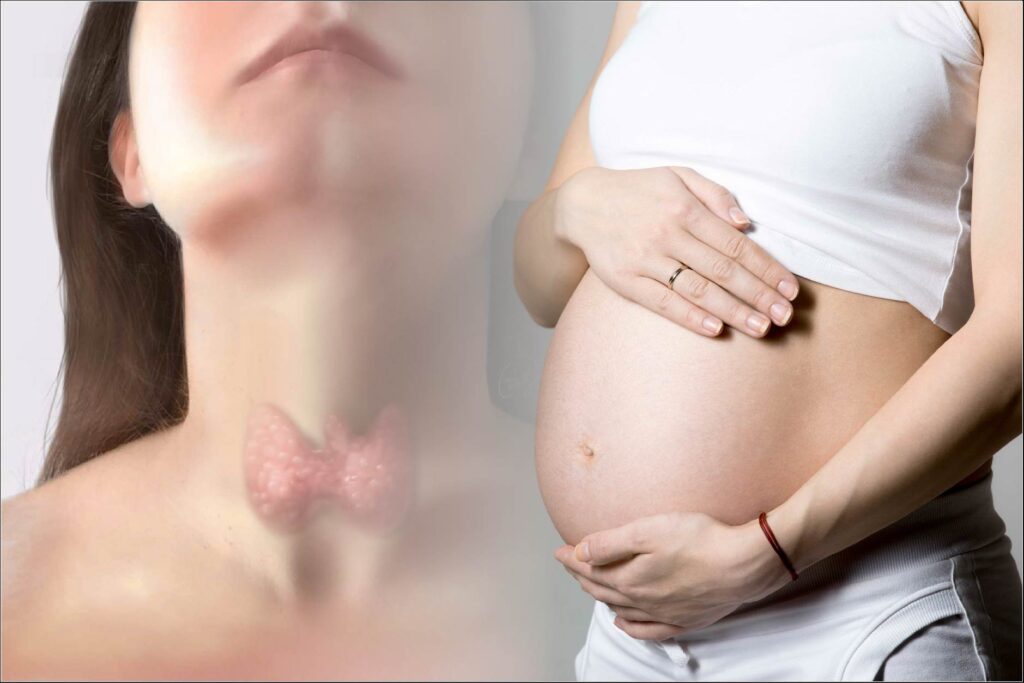
Proper thyroid function plays a crucial role in both conception and maintaining a healthy pregnancy. It also significantly affects fetal brain development. Recently, scientific societies have emphasized the importance of thyroid health during the reproductive phase and established key recommendations related to thyroid and pregnancy.
The Role of Iodine Before and During Pregnancy
An adequate intake of iodine is essential during pregnancy—and ideally even before conception. Experts recommend 250 micrograms of iodine per day, which can be achieved through a diet including three servings of dairy products and two grams of iodized salt.
If the diet does not meet this requirement, iodine supplements (150–200 micrograms/day) should be prescribed to support maternal thyroid function and fetal development.
Early Thyroid Screening in Pregnancy
Another essential recommendation involves early thyroid screening to detect clinical hypothyroidism. This screening consists of testing TSH (thyroid-stimulating hormone) levels in early pregnancy—ideally before week 10.
Why so early? Because starting thyroid hormone therapy before the 10th week of gestation helps prevent cognitive impairment in the fetus. Delayed treatment drastically reduces its effectiveness.
Preconception Thyroid Evaluation
All these findings underscore the importance of assessing thyroid function before conception, especially in women experiencing infertility. Evaluating and correcting thyroid imbalance early is critical to ensuring reproductive and fetal health.
Fertility specialists must take an active, preventive approach. Measuring TSH levels and providing clear dietary guidance should be routine in the management of women seeking fertility care—even before assisted reproduction begins.
By prioritizing thyroid and pregnancy health, we can improve outcomes for both mother and baby.