
Frequently asked questions about fertility and assisted reproduction (XII)
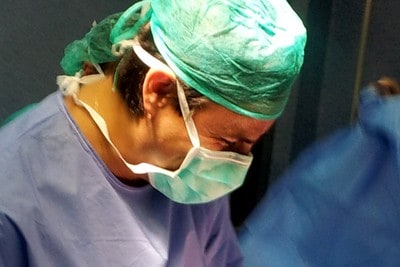
Once again, we bring you a selection of frequently asked questions related to our work at URE Centro Gutenberg. This is the 12th edition of our FAQ section, which stems from our collaboration with the live chat hosted by La Opinión de Málaga. In it, Dr. Claudio Álvarez, Medical Director at URE Centro Gutenberg, answers real questions from readers about fertility and assisted reproduction.
Let’s get straight to some of the highlights from the most recent session of “Ask a Specialist”:
Real Questions, Real Answers
I had thyroid surgery two years ago and can’t get pregnant, even though my hormone levels are normal. What could be the reason?
If thyroid hormone levels are stable, the surgery itself is unlikely the cause. We recommend consulting a fertility specialist.Can artificial sweeteners impact fertility?
There’s no evidence suggesting sweeteners affect fertility. A balanced diet is always beneficial for fertility and assisted reproduction outcomes.Should women freeze their eggs if they’re unsure about motherhood?
Age is a key factor. Egg vitrification before age 35–37 is ideal if maternity is being postponed.Does transferring two embryos on day +6 increase pregnancy chances?
Blastocyst-stage (day 5–6) embryos tend to yield higher success rates compared to day-3 embryos.Should I remove uterine polyps before another treatment cycle?
Polyps can hinder implantation, so surgery is usually recommended before starting a new cycle.How can I control endometriosis between treatments?
Hormonal birth control can help manage it, but every case is different and needs personalized assessment.Should I freeze my eggs if I have endometriosis?
Yes, especially if you want to delay pregnancy. Endometriosis doesn’t prevent vitrification.Can I get pregnant naturally after IVF for PCOS?
Yes, depending on your diagnosis, natural conception is possible after successful IVF.Should uterine relaxants be used after embryo transfer?
Studies show benefits in select cases, but this should be evaluated individually.Can ovulation happen before egg retrieval?
Yes, it can happen early and impact the outcome. Timing of medication and retrieval is critical.Can I freeze my eggs at 40?
It’s possible, but quality and survival rates are lower. Trying for pregnancy sooner is advised.Is egg freezing possible after breast cancer diagnosis?
Yes, and it’s recommended before chemotherapy or radiation.Can I conceive naturally with irregular cycles?
It depends on the cause. Treating the root issue may restore natural fertility.How can men improve fertility?
Focus on a healthy lifestyle—avoid tobacco, alcohol, and drugs. Nutrition and exercise help.I lost one ovary due to torsion. Will that affect fertility?
The remaining ovary can compensate. Outcome depends on age and ovarian reserve.After surgery for a uterine abnormality, should I try naturally?
Yes, unless there are other issues, natural attempts are often advised post-surgery.How long after ovulation can I get pregnant?
The most fertile time is 1–3 days before ovulation. After that, chances decrease significantly.
Still Have Questions?
We hope this round of answers has helped clear some doubts. You can revisit previous FAQ editions on fertility and assisted reproduction anytime. If you have more questions, don’t hesitate to book your first free consultation with URE Centro Gutenberg. Call us at +34 952 122 565 or click here to schedule online.