
Frequently asked questions about fertility and assisted reproduction (III)
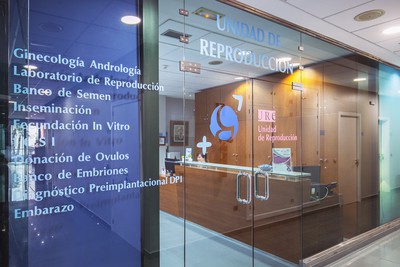
As you may know, in the Gutenberg Center’s Reproduction Unit, and specifically thanks to Dr. Claudio Álvarez, we participate monthly in the online chat section of the Málaga newspaper La Opinión, in a section called “Ask a Specialist.”
Our participation in this medium is aimed at answering common questions that many people have about fertility and assisted reproduction treatments. Would you like to know some of the questions we’ve been asked this month? Keep reading!
My anti-Müllerian hormone level is very low. Is there anything I can do to raise it?
No, as this analysis only reflects the ovarian status in relation to oocyte reserve, and this reserve cannot be improved.
What you can do is undergo an assisted reproduction treatment (such as in vitro fertilization, for example) to improve your chances of achieving pregnancy. This is a key area within fertility and assisted reproduction protocols.
What are the most fertile days to have sex?
Due to the characteristics of cervical mucus, which changes depending on the production of certain hormones during the menstrual cycle, the most effective sexual intercourse occurs before ovulation.
After ovulation, cervical mucus becomes thicker and denser, making it difficult for sperm to ascend. Here we give you a little more information on how to calculate your fertile days to become a mother — essential knowledge in fertility and assisted reproduction.
In IVF stimulation, are all medications equally effective?
In general, all the hormones we monitor in an IVF cycle, and with which the ovaries are stimulated, are equally effective.
The use of one or another will depend on each patient, their diagnosis, and the experience of each doctor. Here we give you more information about the purposes of hormonal medication in fertility and assisted reproduction treatments.
I have high TSH. Does this affect my ability to get pregnant?
TSH is the hormone that stimulates the thyroid gland, produced in the pituitary gland. Any imbalance in thyroid function can affect fertility and the normal progression of pregnancy. Therefore, it is essential that thyroid function is normal to support success in fertility and assisted reproduction.
I am undergoing IVF. Can I have laser hair removal?
Yes, there are no contraindications to laser hair removal during assisted reproduction treatment.
During pregnancy, it may not be recommended, although there is no proven deleterious effect on the fetus, due to the change in the rate of body hair growth during pregnancy.
If you got any question you can contact us here.