
Differences between artificial insemination and in vitro fertilisation
The inability to conceive naturally is an increasingly common problem in our society. In fact, recent studies suggest that infertility now affects between 18 and 20% of the population. In the face of this growing problem, assisted reproduction treatments and techniques, such as artificial insemination and in vitro fertilisation (IVF), can help many couples and single women to have children.
There can be many causes of infertility, with male causes accounting for 30% of cases, female causes for another 30%, mixed causes for 20% and the remaining 20% being of unexplained origin. In the case of women, for example, increasing maternal age is becoming a particularly notable cause of infertility: we are increasingly postponing motherhood until later in life, when our ability to conceive naturally is no longer at its peak.
Fortunately, there are various assisted reproduction treatments and techniques available to solve all these problems, which more and more couples are turning to. Assisted reproduction can help achieve pregnancy through two fundamental procedures: artificial insemination and in vitro fertilisation. Both treatments are capable of improving the percentage of natural reproduction, although they are very different.
Choosing between one technique or the other will be the task of the assisted reproduction expert who studies your case, for which they will assess both members of the couple.
Characteristics of artificial insemination
Artificial insemination is a simple, minimally invasive technique that involves administering hormonal medication to the patient to stimulate the development of one or more eggs and, after preparing the semen in the laboratory, introducing the sperm with the best motility into the uterus on the days closest to ovulation. In exceptional cases, no medication is even necessary, and we can perform artificial insemination using the woman’s natural cycle.
With artificial insemination, fertilisation of the egg and sperm occurs inside the woman. As it is a simple technique, it does not require rest or any change in the woman’s daily activities. It is an economical treatment compared to other more sophisticated assisted reproduction techniques. Therefore, it is ideal for young couples without significant reproductive problems, as well as for women without a partner who do not have any medical conditions.
As it is a minimally invasive technique, artificial insemination does not require anaesthesia or an operating theatre, unlike in vitro fertilisation. Inseminations are performed directly in the consultation room with your fertility specialist.
Characteristics of in vitro fertilisation (IVF)
In vitro fertilisation is a more complex technique than artificial insemination. Like artificial insemination, it begins with the administration of hormonal medication to the woman to “stimulate” her ovaries to produce a good number of eggs. However, unlike artificial insemination, in IVF treatment, the subsequent fertilisation of the eggs takes place in the laboratory, and a few days later (between 3 and 5) the fertilised embryos are transferred to the woman’s uterus.
In addition to this notable difference between the two assisted reproduction treatments, it should be noted that in vitro fertilisation is more expensive and is indicated in more complex cases. Examples include a diagnosis of endometriosis, absence or damage to the fallopian tubes, a decrease in the number or motility of sperm, or sperm abnormalities, etc.
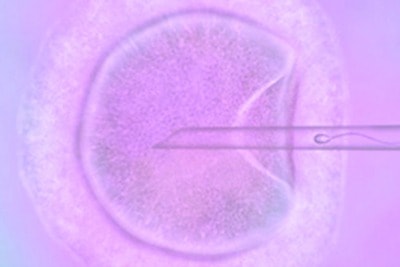
Currently, in vitro fertilisation is performed using an additional technique called ICSI (intracytoplasmic sperm injection), which involves the direct introduction of the sperm into the egg. It differs from classic IVF in that it allows the most capable sperm to be introduced into the egg after placing them in contact with the appropriate media.
As we mentioned earlier, in vitro fertilisation treatments require a minor surgical procedure to extract the eggs using a procedure called ovarian puncture. This requires mild sedation, and a quieter lifestyle and some rest are always recommended, although it has been shown that this does not affect the pregnancy rate.
As you have seen, both artificial insemination and in vitro fertilisation require the administration of hormonal medications, usually injected, to aid in egg production. Likewise, detailed monitoring through ultrasound scans and hormone tests will control the treatment and tell us the best time to perform the insemination or ovarian puncture.
The choice between IVF or artificial insemination treatment will always be made by the assisted reproduction expert who studies your case, who will assess all the circumstances of both members of the couple.
At URE Centro Gutenberg, we are aware that there are many things about fertility that you want to know. That is why we are at your disposal to answer any questions you may have in a free initial consultation, which you can book online.
Come and see us and find out how more than 30 years of experience have made us the leading assisted reproduction clinic in Málaga.