
PGD to avoid the risk of chromosomal abnormalities in cases of advanced age
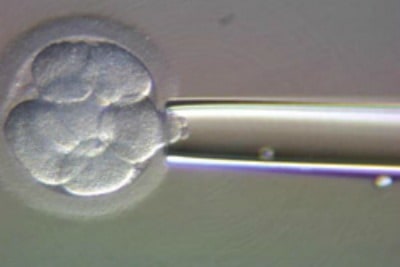
In order to avoid a pregnancy with a risk of chromosomal abnormalities in older patients, we may recommend Preimplantation Genetic Diagnosis (PGD). This technique allows us to genetically study embryos from an in vitro fertilisation cycle and thus transfer chromosomally normal embryos to the woman.
An increasing number of couples undergoing In Vitro Fertilisation treatments wish to undergo this technique electively to avoid the risk of embryos with chromosomal abnormalities.
Preimplantation Genetic Diagnosis (PGD) is a method of prenatal diagnosis performed on the embryo before it is transferred to the woman’s uterus. It consists of performing a sophisticated genetic test on cells biopsied from the embryo to determine whether it carries any chromosomal or genetic abnormalities. PGD provides information on the status of each embryo and allows only healthy embryos to be selected for transfer to the woman’s uterus.
As maternal age increases, the risk of chromosomal abnormalities also increases. Advanced maternal age is considered to be when a woman is over 38 years old. This is due to the ageing of the ovarian reserve, which translates into a higher risk of the oocytes giving rise to embryos with an incorrect number of chromosomes. Clinical data show that its use for this group of women improves the pregnancy rate and reduces the miscarriage rate.
Most embryos from older women do not result in pregnancy or result in miscarriage, although some of them may result in a developing pregnancy with a chromosomal abnormality such as Down syndrome.
According to our data, approximately 75% of embryos from women over 38 years of age are embryos with some chromosomal abnormality.
Perfoming PGD
The process for performing PGD is relatively easy. It requires in vitro fertilisation treatment through which we can obtain the embryos.
We then perform the embryo biopsy, i.e. the removal of one or two cells from the embryo without compromising its normal development. The biopsy is performed 3 days after fertilisation has been confirmed, when the embryo has six to eight cells.
Once the biopsy has been performed, the embryo remains in the incubator where it will be kept in culture until we obtain the diagnosis results and assess its possible transfer. We send the biopsy to a reference genetics laboratory, where it will be processed to obtain a study and diagnosis of each biopsied embryo.
Once we have the results of the genetic analysis, we decide which healthy embryo or embryos to transfer based on the chromosomal constitution and embryonic viability characteristics.
Translated with DeepL.com (free version)