
Frequently asked questions about fertility and assisted reproduction (VIII)
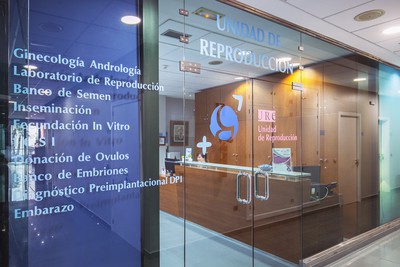
As you know, from the Reproduction Unit at Centro Gutenberg, we occasionally participate in the online chat of the newspaper La Opinión de Málaga. This section is called “Ask a Specialist,” where our medical director, Dr. Álvarez, answers questions about fertility and assisted reproduction.
Want to know some of the questions we’ve received this month? Keep reading!
I’m 41 years old, with endometriosis and thrombophilia. My first child was via IVF, and I want another. Would you recommend another IVF?
Given your history and age—which is a major factor in assisted reproduction—another IVF cycle is likely recommended to achieve pregnancy.
My husband has low sperm count and poor motility. What assisted reproduction technique is best?
For significant semen issues, after ruling out and treating causes, IVF with ICSI is currently recommended.
What is the ideal weight for a woman to undergo IVF?
For both men and women, a body mass index (BMI) below 25-28 is ideal. Obese patients often see better results after losing at least 10% of their body weight. Overweight and obesity are barriers to parenthood.
Why is single embryo transfer usually recommended instead of multiple?
The goal is a healthy, ongoing pregnancy and birth. With good embryo quality, transferring one embryo gives high pregnancy rates while minimizing risks linked to multiples, such as prematurity, neonatal immaturity, hypertension, and gestational diabetes.
I’m a low responder, my partner has slow sperm, I’m 40 and have had two unsuccessful IVFs. Would you recommend another IVF or egg donation?
It depends on diagnosis, ovarian reserve, and previous treatments. Recommendations are personalized—no two cases are the same.
I’m starting hormone treatment. What are the contraindications and possible effects?
Hormonal therapy is needed to improve treatment success. It’s generally safe, with rare contraindications. Side effects vary but are usually manageable. Always consult your doctor if concerned.
My partner and I have tried for years without success. Most treatments target women. What can men do to improve fertility?
First, see a fertility specialist. In about half of infertile couples, causes exist in both partners. Men can control factors like smoking, overweight/obesity, alcohol use, and diet to improve fertility.
I have type 2 diabetes. Is that a problem for starting reproduction treatment?
Diabetes can affect fertility. Optimal metabolic control and consulting a specialist will help determine the best treatment approach.
Is IVF success easy on the first try?
Generally, live birth rates after the first IVF attempt exceed 50%, but results vary based on diagnosis and woman’s age.
When is the beta hCG test reliable after IVF?
The test date advised by the doctor is best to reduce false positives or negatives. Testing too early can cause false results due to medications or very early pregnancy.
How long do I need to take off work during IVF treatment?
IVF is outpatient with periodic ultrasounds and blood tests. Rest is recommended on egg retrieval day and for a couple of days after embryo transfer, but rest has not been proven to improve outcomes.
What can cause high prolactin levels at certain times?
Many factors can raise prolactin without treatment, such as some medications (anxiolytics, sleep aids), insomnia, sexual activity, nipple stimulation, etc. Only persistently high levels usually need study and treatment.
You can contact us here.