
Frequently asked questions about fertility and assisted reproduction (X)
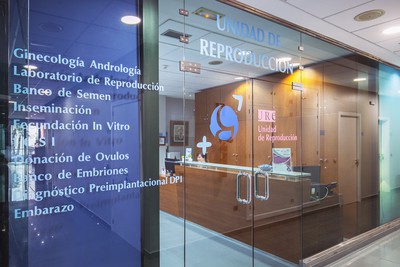
Once again, we bring you a compilation of frequently asked questions related to our work in fertility and assisted reproduction. As you know, this section, now in its tenth edition, originates from our participation in the online chat of Málaga’s newspaper La Opinión. Through this collaboration, Dr. Álvarez, medical director of URE Gutenberg Center, answers doubts about fertility and fertility and assisted reproduction.
But we won’t keep you waiting any longer… Here are some of the most notable questions raised in the latest “Ask a Specialist” about fertility and assisted reproduction.
How does having low vitamin D and slightly high thyroid levels affect getting pregnant with IVF?
Low vitamin D levels may be associated with lower quality of oocytes and sperm. Therefore, this leads to lower ongoing pregnancy rates in fertility and assisted reproduction treatments.
On the other hand, both hyperthyroidism and hypothyroidism are linked to worse prognosis in treatments and pregnancy progression.
Is it better to do a fresh embryo transfer or a frozen (deferred) one?
With current embryo freezing techniques (vitrification), results are similar for fresh and deferred transfers. In some patients, deferred transfer is associated with higher ongoing pregnancy rates.
What is the pregnancy rate in the first in vitro fertilization cycle?
Results depend on the couple’s diagnosis and the woman’s age. In women under 38, artificial insemination has a pregnancy rate of 15-18% per cycle, and in vitro fertilization shows a cumulative pregnancy rate over 70-80%. After 38-40 years of age, these results decrease significantly.
Are there any medications or supplements that improve egg quality?
In some conditions, such as polycystic ovary syndrome, supplements containing inositol may be beneficial.
In endometriosis, antioxidants might have positive effects.
Generally, the recommendation is to maintain a balanced and healthy diet, avoid smoking, and prevent overweight.
Can acupuncture increase pregnancy chances in an IVF treatment?
Current scientific literature has not shown that acupuncture improves outcomes in fertility and assisted reproduction treatments. However, this does not exclude that some patients may benefit from its possible effects.
What exactly is the ERA test and what is it used for?
For proper implantation, there must be coordination between the embryo and the endometrium. This temporal period is called the “implantation window.”
In some women, this coordination does not occur, causing failure to conceive. The ERA or Endometrial Receptivity Array test evaluates this “implantation window” and tells us if the endometrium is receptive or not, allowing us to personalize the best timing for embryo transfer.
You can contact us here.