
What are the requirements for donating semen?
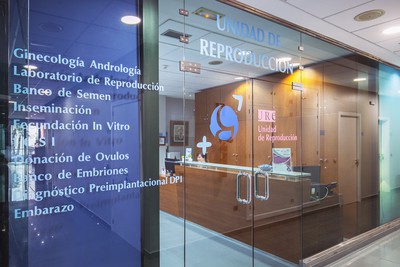
Sperm donation is strictly regulated by law and performed only in certified fertility clinics by specialized reproductive medicine professionals.
Like all similar procedures, sperm donation in Spain must be anonymous by law. This means that the donor cannot know who will receive the sample, and the recipient won’t know who the donor is.
Thinking About Donating Sperm?
Becoming a sperm donor is not as simple as it may seem. The requirements for donating semen are strict and comprehensive.
It all starts with an in-depth evaluation by the fertility clinic. Only a small percentage of applicants are approved to become donors after meeting the necessary criteria.
At URE Centro Gutenberg, the basic requirements for donating semen during the first visit include:
Being between 18 and 30 years old
Being in good physical and mental health
Having no family history of genetic disorders
Not having any sexually transmitted diseases
Not being adopted (as family medical history would be unknown)
But that’s just the beginning.
The Full Medical Screening Process
If you meet the initial requirements for donating semen, the next step is a thorough evaluation involving:
A personal interview and psychophysical examination
A session with a specialized psychologist
A full semen analysis (including a freeze/thaw test)
A complete medical and andrological exam
Extensive blood and urine testing for infectious and genetic conditions: blood type, Rh factor, syphilis, hepatitis B and C, HIV, Chlamydia trachomatis, hemoglobin electrophoresis (to detect thalassemia), karyotyping, and screening for common genetic diseases like cystic fibrosis
Only after successfully passing all these tests can a candidate be officially accepted as a sperm donor at URE Centro Gutenberg.
How Is the Sperm Sample Collected?
Donors must always attend our clinic in person, by appointment. The sample is collected via masturbation in a private, hygienic environment following strict aseptic guidelines.
Once collected, samples are frozen and stored in our sperm bank. They cannot be used for treatment until six months have passed. At that point, the donor is re-tested to rule out any infections that might have been undetectable initially.
The number and frequency of donations are determined by our lab team, based on demand and the donor’s semen quality, which can vary over time.
Who Benefits from Sperm Donation?
Donating sperm is an altruistic act that can help many people build families. Common recipients include:
Heterosexual couples where the male partner has azoospermia (no sperm) or severely poor semen quality
Cases where the male partner carries genetic disorders that can’t be avoided through genetic screening
Couples with repeated failed assisted reproduction attempts where male infertility is a factor
Single women and lesbian couples who want to conceive
The selection of a donor is always the responsibility of the medical team, who will consider blood type compatibility and physical characteristics like height, weight, eye and hair color, and skin tone.
Is There Financial Compensation for Donating Semen?
Yes. Once all tests have been completed and the donor is accepted, he will be compensated for time, travel, and any inconvenience related to the donation process.
Interested in Becoming a Sperm Donor?
If you’re considering sperm donation and meet the requirements for donating semen, feel free to contact us at +34 952 122 565 for more information. It’s a generous act that can help create new life.