
Sperm DNA fragmentation
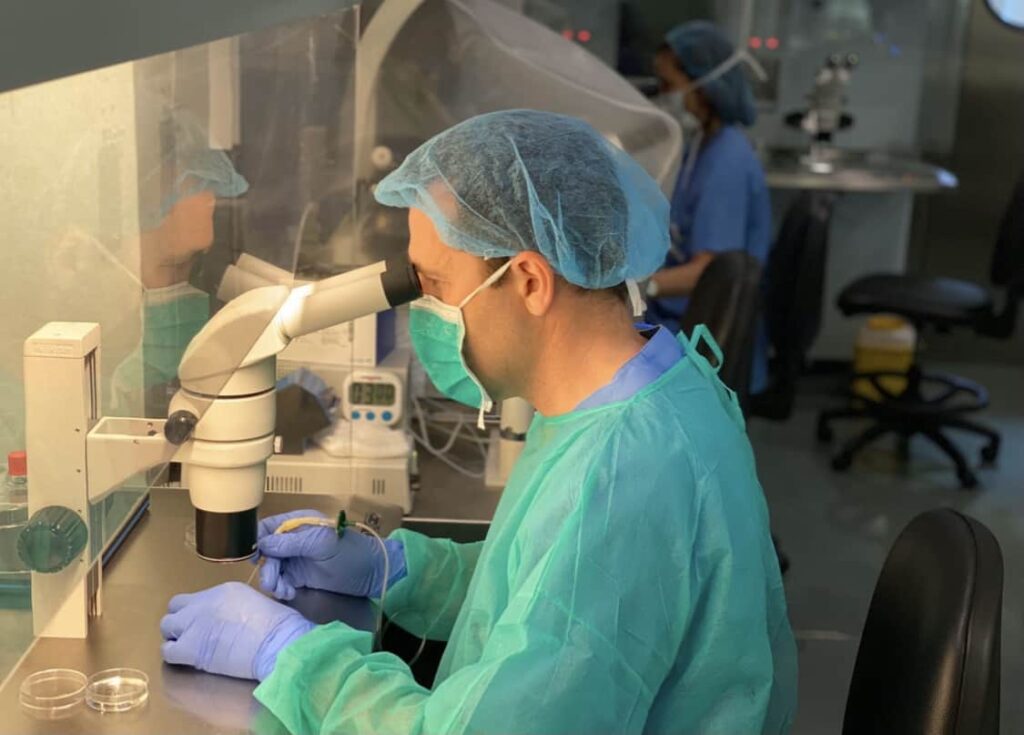
In assisted reproduction, the male plays a fundamental role, as having children is always a matter of two. In fact, in 30% of infertility cases, the cause is of male origin. Among the common diseases that can cause male infertility is sperm DNA fragmentation, which we will discuss in this blog.
In the initial evaluation of the infertile couple, it is necessary to perform a semen analysis, in which we can observe macroscopic characteristics, among which we highlight volume, colour, viscosity and filance; and microscopic characteristics, such as concentration, mobility and morphology of the spermatozoa. However, there are other parameters, such as sperm DNA fragmentation, which are not assessed in this test and which may influence a man’s fertile potential.
What is sperm DNA fragmentation?
Sperm DNA fragmentation refers to breaks in the genetic material of spermatozoa associated with reduced pregnancy rates, fertilisation rates, low embryo quality, and increased rates of spontaneous abortion.
DNA fragmentation can be caused by both intrinsic and extrinsic factors. Intrinsic factors include conditions such as varicocele, fever, infections in accessory glands, advanced paternal age, cancer and chronic diseases, while extrinsic factors include exposure to environmental toxins and smoking.
Sperm is a cell that contributes 50% of the nuclear genetic material of the future baby. This genetic material is called DNA and is composed of two complementary strands.
Sperm DNA fragmentation occurs when one of these strands breaks. There are two types of breaks that can occur: single-strand (simple) and double-strand (double). Both can affect male fertility, but double-strand breaks have more pronounced effects, negatively affecting embryonic development and implantation rates, and increasing the frequency of recurrent miscarriages.
On the other hand, single-strand breaks have not been shown to have a significant impact on embryonic development or implantation rates.
What happens with high sperm DNA fragmentation?
As mentioned above, this DNA breakage can affect the achievement of pregnancy, as well as the results of assisted reproduction treatment. Scientific studies show that different types of sperm DNA fragmentation are associated with:
- Poorer embryo quality.
- Lower fertilisation rate.
- Lower implantation rate.
- Higher miscarriage rate.
How do we diagnose sperm fragmentation?
Several techniques are currently available to assess the level and condition of genetic material. The most commonly used in clinical practice are the SCD test and the TUNEL assay. Each test may have variations in the detection threshold due to the different types of damage it analyses and the technical aspects of each assay.
When is it advisable to study sperm fragmentation?
- Patients with implantation failure.
- Poor-quality embryos.
- Varicocele.
- Recurrent miscarriages.
- Older men.
- Smoking.
- Abnormal semen analysis results.
There are some intrinsic factors that cause DNA fragmentation during sperm production, caused by oxidative stress resulting from an increase in free radicals (ROS) in the male body.
Making changes towards a healthy lifestyle and following a varied and balanced diet will help to reduce these levels. In other cases, treatment with antioxidants is prescribed, which is generally taken for approximately 3 months, and sometimes this fragmentation can be reduced.
However, despite all this information, it is important to note that a high rate of sperm DNA fragmentation does not mean that spontaneous pregnancy cannot be achieved. On the other hand, if the fragmentation index is low, the egg may have the ability to repair this damage on its own.
Thanks to scientific advances and a thorough study of the couple’s reproductive health, along with a healthy lifestyle, there are many reasons to remain hopeful about achieving the desired pregnancy.
We hope we have helped you understand what sperm DNA fragmentation means. If you have any further questions, we are here to answer them. We will assess your case in a completely free initial consultation with our specialists to evaluate your situation and offer you the best solution to achieve your dream of starting a family. Fill in this form with your details and we will call you, or call us on 952 122 565 and request it directly.